
Still Deciding on Your Fit?
Every pair ships free across Europe and comes with 30-day free returns — full refund if the fit is wrong.
Take a minute to match the right width and arch support to your foot condition.
Every pair ships free across Europe and comes with 30-day free returns — full refund if the fit is wrong.
Take a minute to match the right width and arch support to your foot condition.
Cushioning is not a feature you notice in a shop. You notice it at hour nine, when the floor is hard and the soles are thin. What matters is not how soft a shoe feels in the hand, but how much of each step the midsole takes before it reaches your foot.
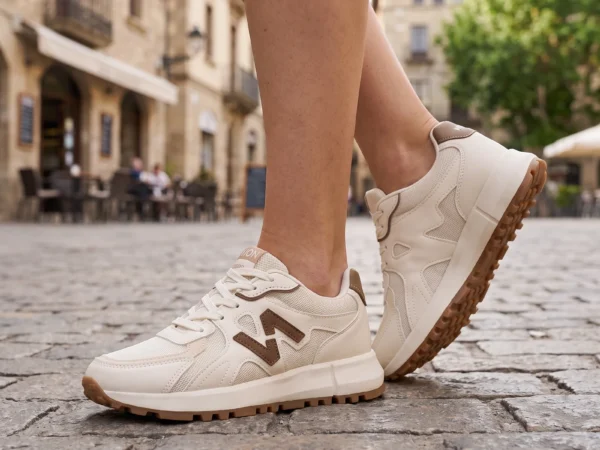
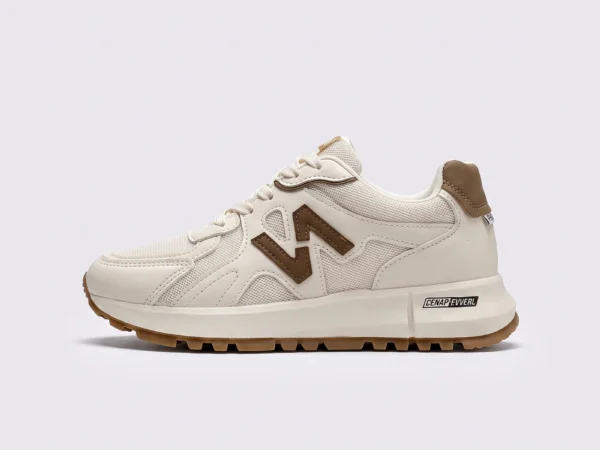
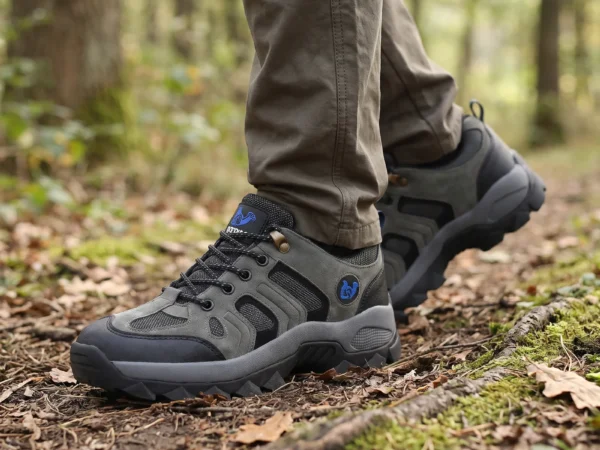
The shoes in this collection are selected for underfoot cushioning that holds its shape rather than flattening out: cushioned footbeds, foam midsoles that spring back, and heel sections that absorb the first impact of every stride.
A foam midsole slows the rate at which impact reaches the foot. Good cushioning does two things at once: it takes the sharp edge off a hard floor, and it returns some of the energy you put in, so the foot does not have to do all the absorbing itself. The trade-off is weight, which is why a heavily cushioned shoe often feels less stable than a lighter one.
These are two different things. A cushioned insole sits under the foot and can be removed or replaced. A cushioned midsole is the foam layer in the sole itself, and it is what carries most of the impact. Some styles here have both, some rely on one. Look at the product page for the details, and note whether the insole is removable if you like to wear your own.
Foam compresses. A pair that felt thick on day one can feel flat after a few hundred kilometres, and the compression is usually in the midsole rather than the footbed. Rotate two pairs rather than wearing one every day, keep them out of a hot car, and replace them when the sole feels dead rather than when the upper looks tired.
Cushioning reduces the impact that reaches the foot, which is often part of what makes hard floors uncomfortable. It does not treat a cause. If your feet hurt persistently, are getting worse, or you have reduced sensation, see a podiatrist or your doctor. Footwear is one part of everyday foot comfort, not a treatment.
Most follow standard sizing. If you are between sizes, or your feet swell through the day, go up rather than down and check the size guide on each product page. Measure both feet in the evening and fit the larger one, since most people differ by at least half a size.
On styles with a removable insole, yes. Take the original out first, because the depth underneath is what makes room for yours. Check that your own insole does not create a new pressure point at the toe or the arch.
If the pain is persistent, getting worse, or you have reduced sensation in your feet, please see a podiatrist or your doctor. Footwear is one part of everyday foot comfort — it is not a treatment.